As the leaves begin to turn and a crispness enters the air, Jewish communities around the world prepare to welcome Rosh Hashanah, the Jewish New Year. More than just a date on the calendar, Rosh Hashanah is a profound time of reflection, prayer, and hopeful anticipation for the year ahead. It’s a holiday rich in symbolism, tradition, and delicious food!
When is Rosh Hashanah? Mark Your Calendars!
Rosh Hashanah actually falls on the 1st and 2nd days of the Hebrew month of Tishrei. Because the Hebrew calendar is lunar, the dates on the Gregorian calendar shift each year. Here are the dates for the next few years:
- 2025: Sunset on Wednesday, September 24th – Nightfall on Friday, September 26th
- 2026: Sunset on Friday, September 11th – Nightfall on Sunday, September 13th
- 2027: Sunset on Monday, August 30th – Nightfall on Wednesday, September 1st
- 2028: Sunset on Saturday, September 16th – Nightfall on Monday, September 18th
- 2029: Sunset on Wednesday, September 5th – Nightfall on Friday, September 7th
Two Days of Celebration, Even in Israel?
You might notice that Rosh Hashanah is celebrated for two days, even in Israel, where most other Jewish festivals are observed for only one day. This unique tradition stems from ancient times when the new month was determined by the sighting of the new moon. Messengers would then travel to inform distant communities. Because Rosh Hashanah falls on the first day of the month, there wasn’t enough time for the news to reach everyone before the holiday began. Therefore, an extra day was added to ensure the holiday was celebrated at the correct time. Even though calendars are now fixed, this two-day observance, known as Yom Tov Sheni shel Galuyot (the second festival day of the Diaspora), has been maintained as a testament to Jewish unity and tradition, even in Israel itself.
The Piercing Call of the Shofar
Perhaps one of the most iconic sounds of Rosh Hashanah is the shofar, a ram’s horn blown during synagogue services.

Its haunting, wordless blasts serve as a spiritual alarm clock, urging us to awaken from complacency, examine our deeds, and recommit to a path of righteousness. It’s a call to repentance (tshuvah), a reminder of God’s sovereignty, and a symbol of hope for redemption.
Tashlich: Casting Away Sins
Another beautiful Rosh Hashanah ritual is Tashlich, meaning “casting off.” This typically takes place on the first afternoon of Rosh Hashanah.

Families gather at a flowing body of water – a river, lake, or even a spring – and symbolically cast bread crumbs or small pieces of food into the water, representing the “casting away” of their sins from the past year. It’s a powerful visual metaphor for renewal and a fresh start.
Sweet Beginnings: Traditional Rosh Hashanah Foods
No Jewish holiday is complete without delicious food, and Rosh Hashanah is no exception! The traditional foods often carry symbolic meaning, wishing for a “sweet new year.”
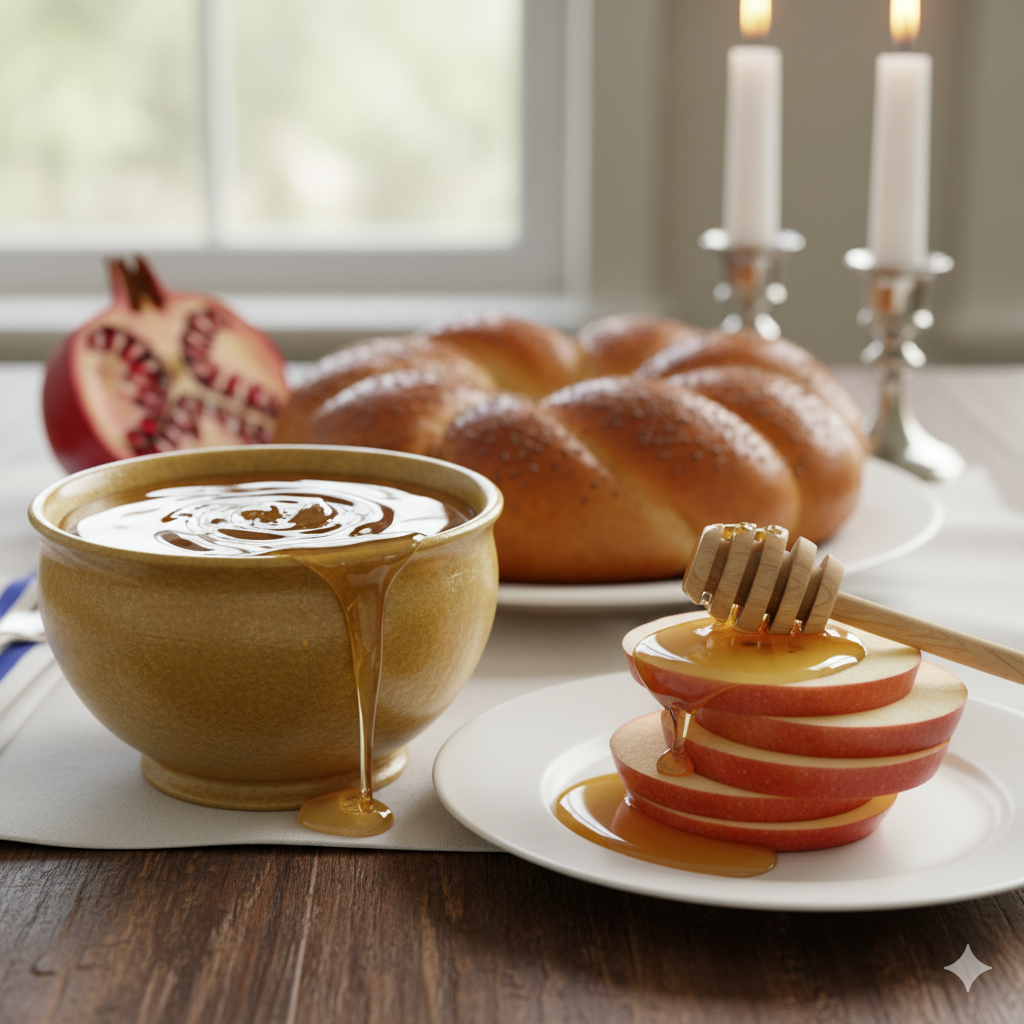
- Apples and Honey: Perhaps the most iconic pairing! Slices of apple are dipped into honey, symbolizing our hope for a sweet and good year ahead.